Using AI instead of local service providers for hiring in France?
While AI-driven software can draft contracts and highlight regulatory changes, running cross-border payroll in France involves administrative infrastructure that cannot be safely navigated without local expertise or a specialized service provider.
Even when using simplified frameworks designed for foreign firms, managing French compliance manually exposes companies to severe operational friction due to three major pillars:
Navigating URSSAF and the TFE Scheme (Titre Firmes Étrangères)
Navigating URSSAF and the TFE Scheme (Titre Firmes Étrangères)
For companies without a local establishment, all employer obligations such as registering with the specialized Centre National des Firmes Étrangères (CNFE) via URSSAF Alsace must be meticulously maintained.
While the TFE scheme is an optional, simplified tool meant to centralize procedures and contributions for foreign entities, configuring it correctly requires intimate knowledge of French portals, secure credentials via net-entreprises.fr, and exact classification codes. A misstep in initial registration can delay employee onboarding and trigger immediate administrative blocks.
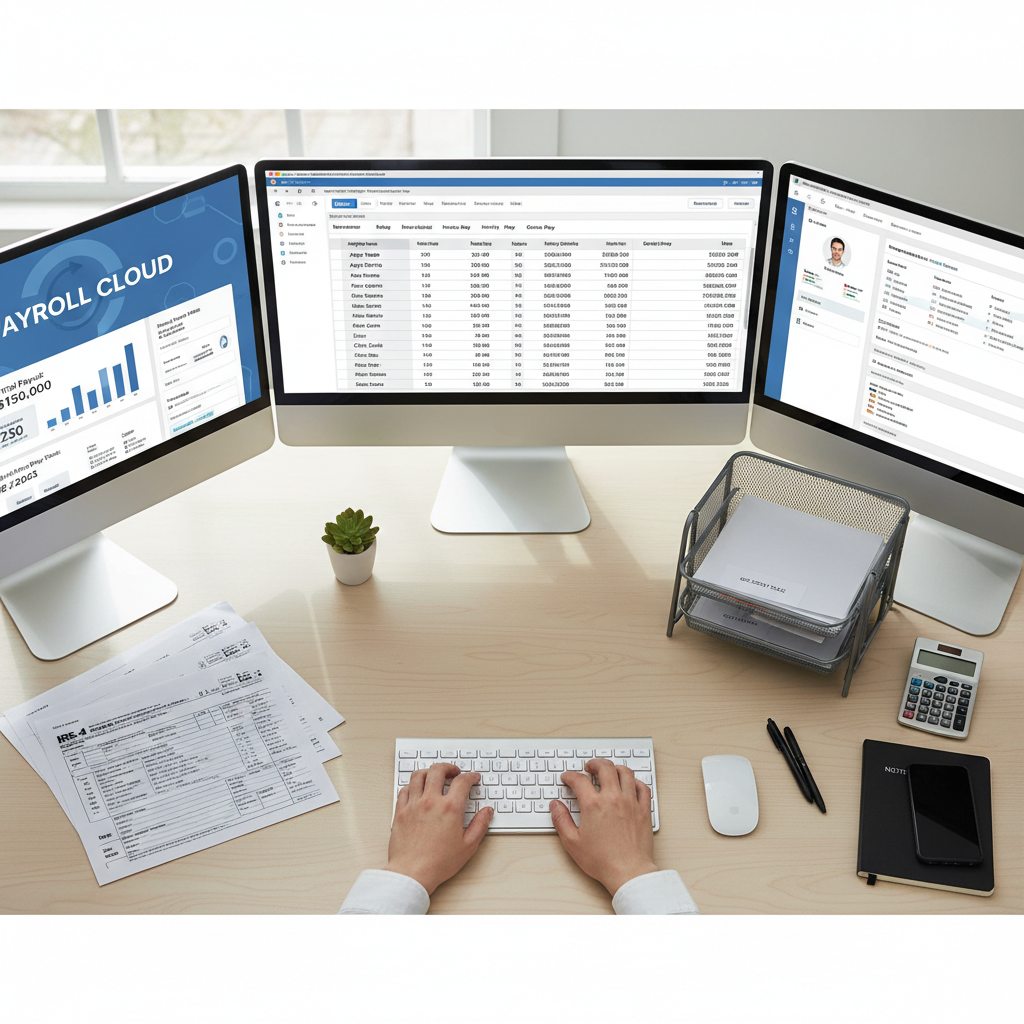
The complexity of the DSN
The DSN is France’s mandatory monthly electronic social declaration, acting as the single reporting backbone for all employee earnings, tax withholdings at source (prélèvement à la source), and multi-body contributions.
Strict Timelines: Declarations must be rigorously filed every month by strict deadlines (the 5th or 15th depending on company scale).
Real-Time Event Reporting: Beyond monthly filings, French law requires immediate "event declarations" (DSN événementielle) within tight windows such as filing an employment termination or reporting a sick leave certificate within 5 days.
Zero Margin for Error: Files must pass through strict validation gateways (DSN-Val). Formatting rejections or delayed submissions carry heavy financial penalties and directly disrupt employee social rights (pensions, healthcare reimbursements, and daily allowances).

Mandatory Complementary Health Insurance (Mutuelle) & Prévoyance
Unlike countries where health benefits are purely optional perks, French labor law strictly mandates that employers provide a compliant corporate-sponsored complementary health insurance (mutuelle santé) covering at least 50% of the cost for all local staff. Furthermore, matching sector-specific collective agreements often mandate specific prévoyance (death, disability, and incapacity) insurance plans. Coordinating a French private insurer with foreign payroll structures requires local administrative liaisons to prevent coverage gaps and URSSAF audit penalties.
Choosing the Right Expert
Before looking at how AI assists, it is vital to understand what French law requires when an overseas company employs a resident worker.
Even without a subsidiary or branch office in France, foreign employers have two primary legal routes to hire locally:
- Direct Registration as a Foreign Employer: You register directly with French social security authorities (specifically via the dedicated national center for foreign firms, such as the Titre firmes étrangères or TESE schemes). Your home-country entity remains the legal employer, but you issue a fully compliant French employment contract, apply the correct collective bargaining agreement, and pay local social security contributions.
- Using an Employer of Record (EOR) / Portage Salarial: A local third-party partner acts as the legal employer in France, handling local payroll, tax withholding, and compliance while the employee works day-to-day for your business.
Regardless of which route you choose, mandatory French labor law applies to any employee habitually working in France. You cannot contract out of statutory rules regarding working-time limits (the 35-hour reference week), mandatory minimum paid leave (at least 5 weeks per year), strict termination protections, or local social security withholdings.

The Verdict: Partnering for Success
Because of these rigid requirements, most foreign businesses successfully hiring in France rely on a specialized local payroll provider or cross-border EOR partner. By combining smart AI software workflows with human compliance oversight, these partners absorb the administrative burden of DSN filings, URSSAF remittances, and health fund coordination allowing your team to focus entirely on business growth rather than bureaucratic red tape.